

Trademark registration lawyer for INPI filings in Brazil
We provide end-to-end trademark registration legal services for companies and brand owners — clearance search, Nice classes, INPI filing, opposition defence, renewal and enforcement. Renato Falchet is a member of the AIPLA, the American Intellectual Property Law Association.
5,0 · 18 Google reviewsA company number and domain do not replace trademark registration. Brazil uses a registration-based system: ownership is acquired through a validly granted registration, with national exclusivity within its scope of protection (article 129 of Law 9,279/1996). Good-faith prior use may establish a right of precedence if, on the priority or filing date, the applicant had used an identical or similar mark in Brazil for at least six months for identical, similar or related goods or services. That use must be proved.
What we do on trademarks.
- Clearance searchBefore filing, we check conflicts on the INPI database and the real risk of refusal or opposition.
- Nice classification45 classes — 1 to 34 for goods, 35 to 45 for services. An unsuitable classification or specification may leave the actual business insufficiently protected.
- Filing the applicationSpecification, form of presentation (word, device, composite or three-dimensional) and follow-through to decision.
- Opposition and defenceWe oppose third-party applications and defend our clients’ applications. Article 158 of the IP Act provides 60 days to oppose and a separate 60 days to respond after notification.
- Renewal and upkeepRegistration runs for 10 years and is renewable (art. 133). We track the deadline so nothing already won is lost.
- Infringement and forfeitureAction against unauthorised use, and defence where a third party seeks forfeiture for non-use (art. 143).
- Protection abroadStrategy outside Brazil, through the Madrid Protocol or by direct national filings, with local agents.
Protection starts with a search.
Filing without assessing earlier marks may force a business to replace a brand already used on packaging, websites and storefronts. A search identifies identical or similar signs and helps assess risk. It is not limited to class numbers: the relationship between goods and services also matters.
The classes and specification define the protection being sought. The Nice Classification has 45 classes — 1 to 34 for goods, 35 to 45 for services — and the INPI has applied edition NCL(13) since 1 January 2026. An application that does not reflect the business may leave gaps in protection.
For timing, the INPI’s 2026 Action Plan records an average technical decision time of 18.3 months in 2025 for applications without opposition, and a target of 10 months for 2026. This is an institutional indicator, not a guaranteed deadline for an individual application. Oppositions, office actions and appeals may extend the procedure; we check the current position when assessing the case.
How we run the case.
- Search and assessmentSearch of the INPI database, conflict analysis and an opinion on viability — before official filing fees are paid.
- Classes and specificationWe set the Nice classes and the specification of goods and services that covers what the company really does.
- Filing and monitoringFiling, payment slips, publication and monitoring of office actions and any opposition.
- Technical defenceResponse to opposition, compliance with office actions, administrative appeal and, where needed, court action.
- Renewal and watchTen-year renewal, use monitoring and watching third-party applications that could conflict with your mark.
What to bring to the first conversation.
Documents that speed up the review
For the clearance search, the name and the sector are enough. For filing, these items help reduce office actions and rework.
- Name, logo and the variations in use
- Description of activities and business codes
- Company registration and articles of association
- Evidence of use: website, packaging, invoices
- Earlier applications or registrations held
- Domain names and social media handles
- Licence or franchise agreements
- Notices already received from third parties
First clearance search and a written proposal before any step is taken. Informational content under Brazilian Bar Association Rule 205/2021 — it does not replace an assessment of your case.
What clients say on Google.
“From the very start I was looked after exceptionally. The team is attentive and explains every step.”
Amanda M. · Google“Excellent, highly qualified professionals. I highlight the professionalism, the service and the honesty.”
Rita G. · Google“Very polite, patient, always with precise, accurate answers. I recommend them with no reservations!”
Thais T. · GoogleReal client reviews published on Google, translated into English.
Who leads this area.
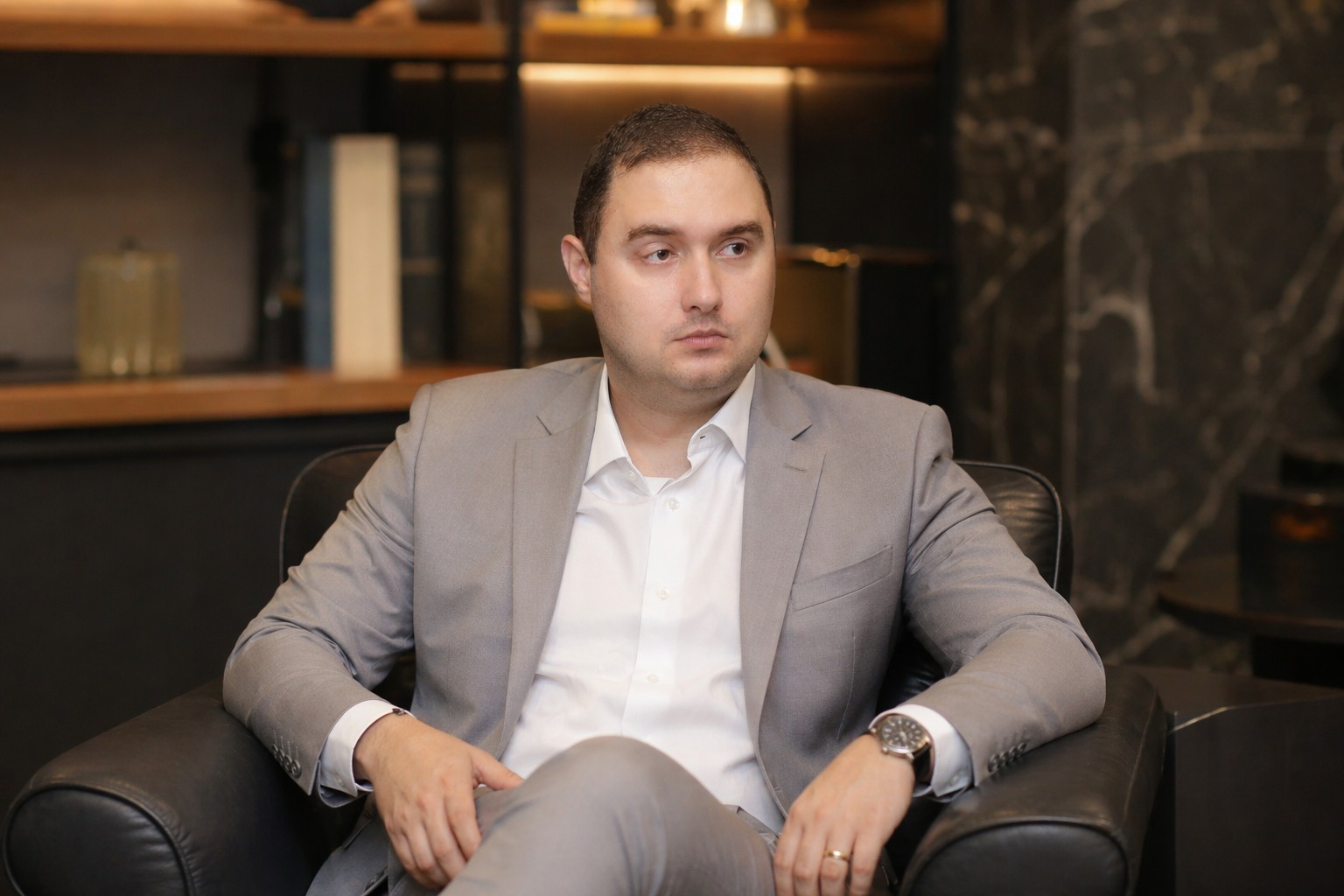
Partner in charge of the corporate practice (OAB/SP 344.334) and a member of the AIPLA — American Intellectual Property Law Association. Also a member of AASP and postgraduate in Business Law (FGV). Fluent in English.
Meet Renato FalchetCommon questions.
We already have a company number and a domain. Do we still need to register the mark?
Yes. A company number and domain do not replace registration or independently confer trademark exclusivity. Ownership is acquired through a validly granted INPI registration, within its scope of protection (article 129 of Law 9,279/1996). Good-faith prior use may establish a right of precedence where, on the priority or filing date, there had been at least six months of use in Brazil of an identical or similar mark for identical, similar or related goods or services. That use must be proved.
How long does registration take?
The INPI’s 2026 Action Plan records an average technical decision time of 18.3 months in 2025 for applications without opposition and a ten-month target for 2026. These are institutional indicators, not guaranteed deadlines for individual applications. Oppositions, office actions and appeals may prolong the process. We check the current position when assessing the case.
How much does registering a trademark cost?
There are official charges and professional fees. The schedule checked in September 2026 lists R$ 880.00 per class for a pre-approved specification and R$ 1,720.00 per class for a free-text specification. Eligible categories, including MEI, microenterprises and small businesses, may receive a 50% discount; fee waivers have their own conditions. Since 20 September 2025, grant and issuance of the first ten-year certificate are automatic and free under the applicable regime: a grant fee should not be added to every new application. Other procedures and renewals may incur charges. We quote our fees per class before filing and reconfirm the applicable schedule and benefits.
What happens if someone opposes our application?
Third parties may oppose within 60 days of publication of the application. After notification, the applicant has 60 days to respond (article 158 of the IP Act). Opposition does not mean refusal. We assess earlier rights, similarity between the signs and the relationship between goods or services, including across different classes, to prepare the response. The outcome depends on the INPI’s examination.
How long does a registration last, and can we lose it?
A registration lasts ten years from grant and may be renewed for equal, successive periods (article 133 of the IP Act). After five years from grant, a person with a legitimate interest may seek forfeiture if use has not begun in Brazil, has stopped for more than five consecutive years or has altered the distinctive character as described in article 143. Forfeiture is not automatic: the owner may prove use or justify non-use on legitimate grounds. Failure to renew and other statutory grounds may also end the registration.
Do you file for companies outside São Paulo — and abroad?
Yes. We handle electronic INPI procedures remotely. For applicants domiciled abroad, we review corporate documents and the power of attorney: article 217 of the IP Act requires a qualified representative domiciled in Brazil with administrative and judicial powers, including authority to receive service. For protection in other countries, we assess the Madrid Protocol or direct national filings with local agents. Renato Falchet’s AIPLA membership supports professional exchange; it does not replace each country’s requirements.
When the issue goes beyond filing
Focused pages for administrative disputes and unauthorised trademark use.
Is your brand actually yours?
Send us the name and the sector. We run the initial INPI search and assess relevant classes and risks. The search informs the decision but does not guarantee registration. We reply within one business day.